top of page

Groups Feed

View groups and posts below.


This post is from a suggested group

X-ray inspection systems utilize high-energy electromagnetic radiation (X-rays) to perform Non-Destructive Testing (NDT), allowing for the internal structure and integrity of an object to be analyzed without causing any damage. The technology works on the principle that materials of different density and atomic number absorb or attenuate X-rays to varying degrees. By generating a radiographic image (or a computed tomography model), the system creates a visual contrast that reveals internal defects, contaminants, or assembly issues that are invisible to the naked eye. This method is crucial for quality control, safety, and regulatory compliance across diverse industries.


7 Views

This post is from a suggested group

Welcome to our group DCCS Monitoring Group! A space for us to connect and share with each other. Start by posting your thoughts, sharing media, or creating a poll.

1 View

This post is from a suggested group

Virtual Meeting October 11, 2023

Thank you to everyone who attended the Virtual Meeting on October 11, 2023!


HERE is the link to the recording of the meeting.


The meeting covered email and website updates, data trends from March through September 2023, and featured Susan Lea as a guest speaker sharing about her freshwater mussel discovery.


Our next meeting will be in person in January 2024.


4 Views

This post is from a suggested group

October 2023 Monthly Reminder!

Welcome to the 10th sample window of 2023!


Welcome Fall! The next sample window begins Thursday October 5 through Sunday October 8.  If you need to collect supplies (like data sheets, pH strips or conductivity strips or calibration solution), please email LBM@wctrust.org


The weather this week looks like a mix of sun and rain, so please use good judgement and do not step into the water if it is deeper than usual or if you cannot see the bottom and, as always, dress appropriately.  Your safety is far more important than the data!

10 Views

This post is from a suggested group

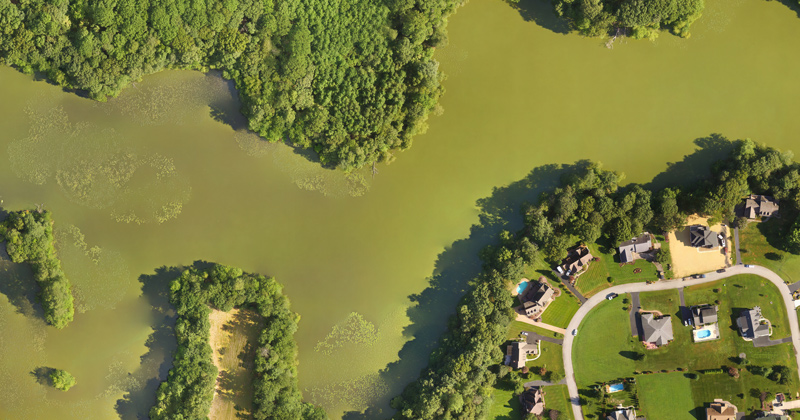
Interesting University of Delaware Article on Global Algal Blooms

30 Views

This post is from a suggested group

July 2023 Monthly Reminder!

Welcome to the sixth sample window of 2023!


Welcome Summer! The next sample window begins Thursday July 13 through Sunday July 16.  If you need to collect supplies (like data sheets, pH strips or conductivity strips or calibration solution), please email LBM@wctrust.org


The weather this week looks rainy and warm, so please use good judgement and do not step into the water if it is deeper than usual or if you cannot see the bottom and, as always, dress appropriately.  Your safety is far more important than the data!

5 Views

This post is from a suggested group

June 2023 Monthly Reminder!

Welcome to the sixth sample window of 2023!


Welcome Summer! The next sample window begins Thursday June 15 through Sunday June 18.  If you need to collect supplies (like data sheets, pH strips or conductivity strips or calibration solution), please email LBM@wctrust.org


The weather this week looks blissfully rainy and warm, so please use good judgement and do not step into the water if it is deeper than usual or if you cannot see the bottom and, as always, dress appropriately!  Your safety is far more important than the data!


5 Views

This post is from a suggested group

Elevated conductivity level for 3/23/23 sample

On sample date 3/23/23, for the first time since starting collecting data on 10/21, conductivity at DCPS3 was higher than conductivity at DC617: 633 µs/cm to 545 µs/cm respectively. As is typically the case, sodium chloride levels were slightly higher at DC617: 0.015 %NaCl at DC617 compared to 0.014 %NaCl at DCPS3, so the elevated conductivity level at DCPS3 is presumably not due to sodium chloride. Perhaps it is due to a more specific spring fertilizer application near DCPS3? Did anyone else notice elevated conductivity levels at their sites for the same sampling window? Any other ideas as to what might cause this? I am planning to retest conductivity, pH, and chloride strip for both sites on April 6 to see if DCPS3 conductivity remains elevated compared to DC617.

24 Views

This post is from a suggested group

Trouble Shooting: Conductivity

From calibration to unusual readings, this is all things conductivity meters. We use the Hanna DiST®3 Waterproof EC Tester (0-2000 µS/cm) meter. The user manual is below.


21 Views

Subscribe Here for News & Updates

Thanks for submitting!

Powered and secured by Wix

bottom of page